
Common Structures That Shape South Dakota Trust Litigation
At Denevan Falon Law Firm Prof. LLC., we work with complex South Dakota trusts and the conflicts that surround them. You may be a beneficiary, a family office or a family attorney seeking clarity. Here, our attorney aims to provide you with practical context about how many South Dakota trusts operate in real life.
Key South Dakota Trust Features
South Dakota trusts often support long-term, multigeneration planning. Many families use long-duration trusts to hold business interests, marketable investments and legacy assets.
You often see these design features:
- Clear control provisions that address reporting, confidentiality and powers to update trust terms
- Split responsibilities so that the investment strategy and administrative work sit with different roles
- Built-in flexibility through protectors or committees that can shift trustees or adjust specific powers
These choices create a structure that can reduce risk but also fuel disputes when expectations collide.
Using Holding Companies Inside South Dakota Trusts
Many South Dakota trusts own holding companies rather than assets directly. In practice, you may own units in one or more LLCs or corporations.
Common reasons families use holding companies include:
- Centralized management, which places voting power in one entity instead of across many assets
- Cleaner risk separation through different holding companies for different kinds of assets
- Streamlined distributions that let beneficiaries hold nonvoting interests while managers handle operations
You may also see holding companies used to support family involvement. One group may manage voting rights. Another group may hold nonvoting interests and receive most distributions.
Directed Trust Framework And Common Roles
South Dakota directed trusts divide duties among several players. You should identify each role before you assess a dispute. You often encounter:
- Administrative trustees, who handle records, tax matters and routine payouts
- Investment advisors or committees, who direct investment decisions that the trustee then carries out
- Distribution committees, which decide on larger, discretionary payouts
- Protectors, who hold powers to remove or replace trustees or advisors
Because so many roles share authority, you rarely see one person control everything. A skilled trust lawyer can help you map the relationships that drive your conflict.
Who We Are And How We Think
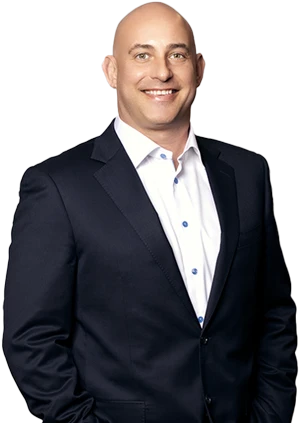
Our attorney, Corey Denevan, built his career around complex disputes and high-stakes planning. He handles trust and estate fights, along with corporate and business conflicts, for families and their entities. He has a strong commitment to the craft of advocacy.
Our firm focuses on tailored strategies, clear communication and steady case management. We aim to solve real problems for real people and their businesses. We also belong to the International Fraud Group (IFG), which lets us coordinate matters in South Dakota, across the United States and abroad.
Talk With Us About Your South Dakota Trust Dispute
You do not need to decode a complex structure on your own. Bring your trust documents, company records and questions. We will review the roles, cash flow and pressure points that affect your position.
To discuss your matter, call us at 605-800-8897 or send an email to schedule a free consultation.